


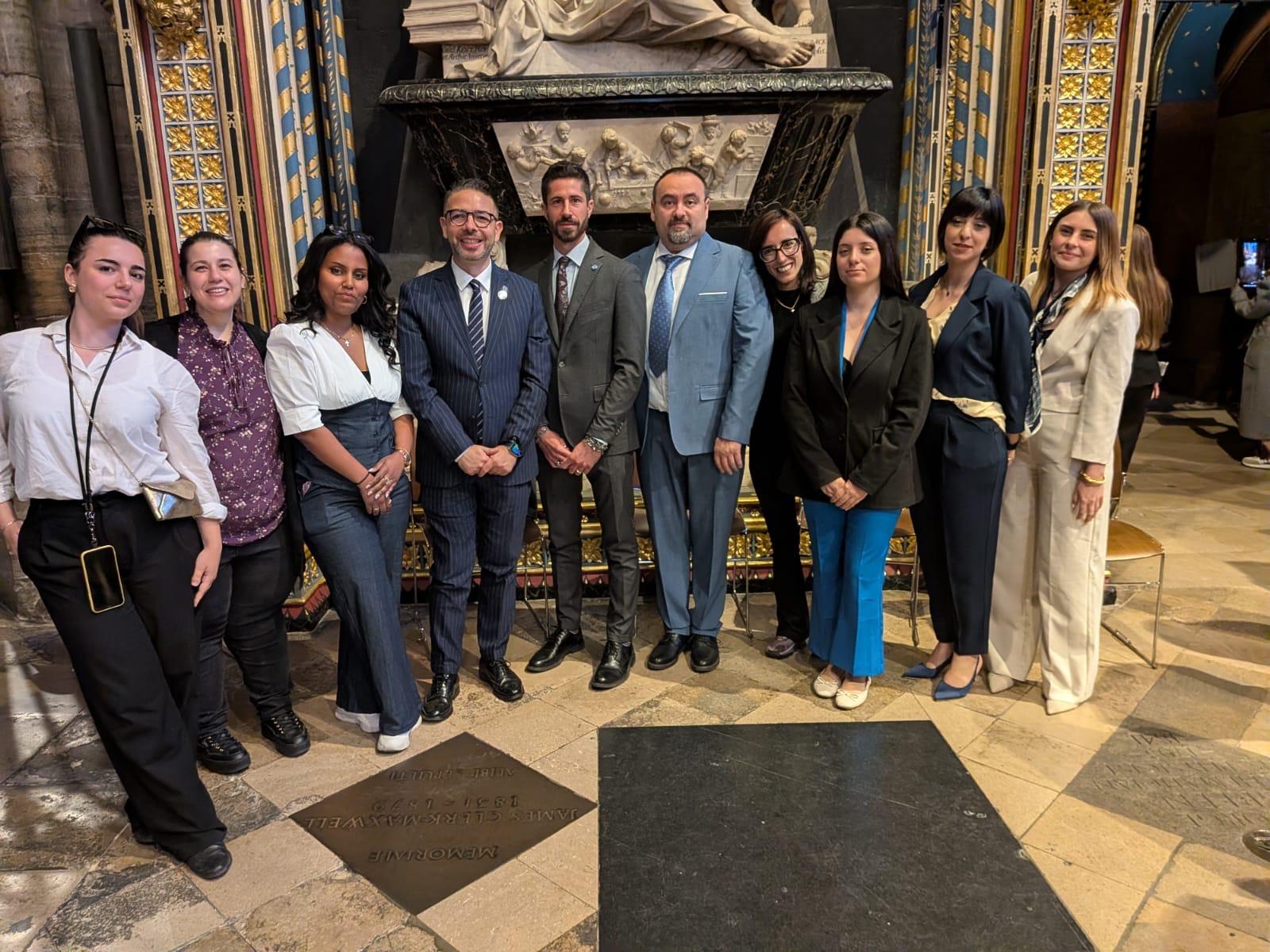
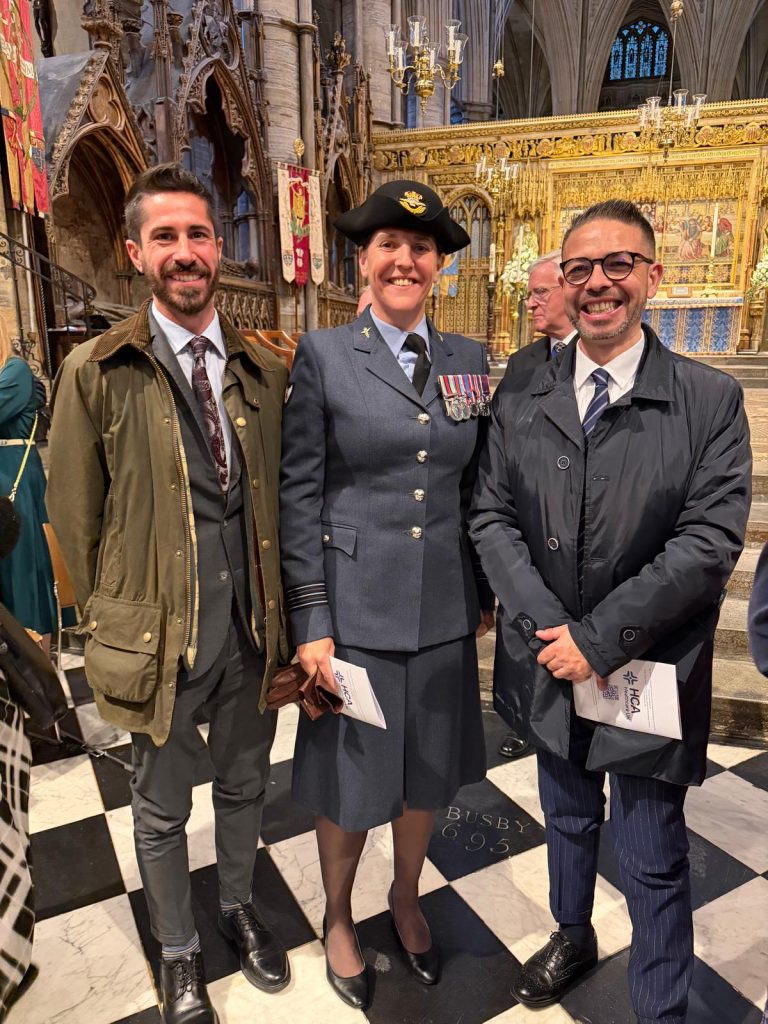
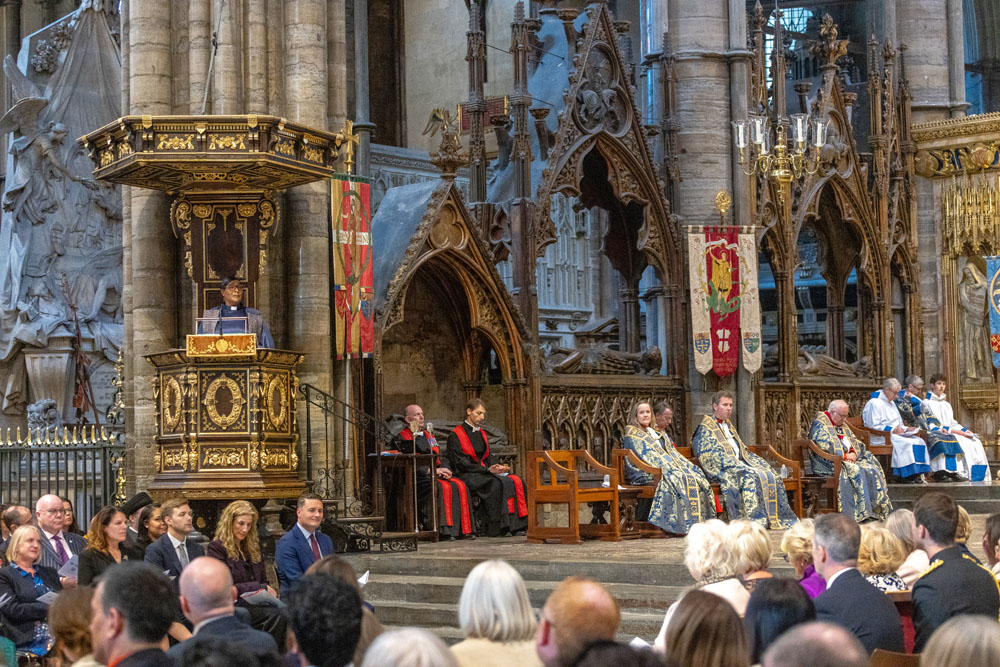
“On this special day for the nursing profession, it is both an honour and a pleasure to be awarded the title of Fellow of the Florence Nightingale Foundation, which I accept with gratitude and a deep sense of responsibility. I dedicate it to my colleagues, to the students present here, and to those students who are virtually participating in these celebrations through us. May it serve as a source of inspiration and renewed spirit of service for our communities, wherever they may be” With these words, Prof. Antonio Bonacaro, Associate Professor of Nursing Science and President of the Master’s Programmes in Healthcare at the University of Parma, accompanied the participation of the University delegation in the Florence Nightingale Commemoration Service 2026, held on 12 May at Westminster Abbey in London on the occasion of International Nurses Day.
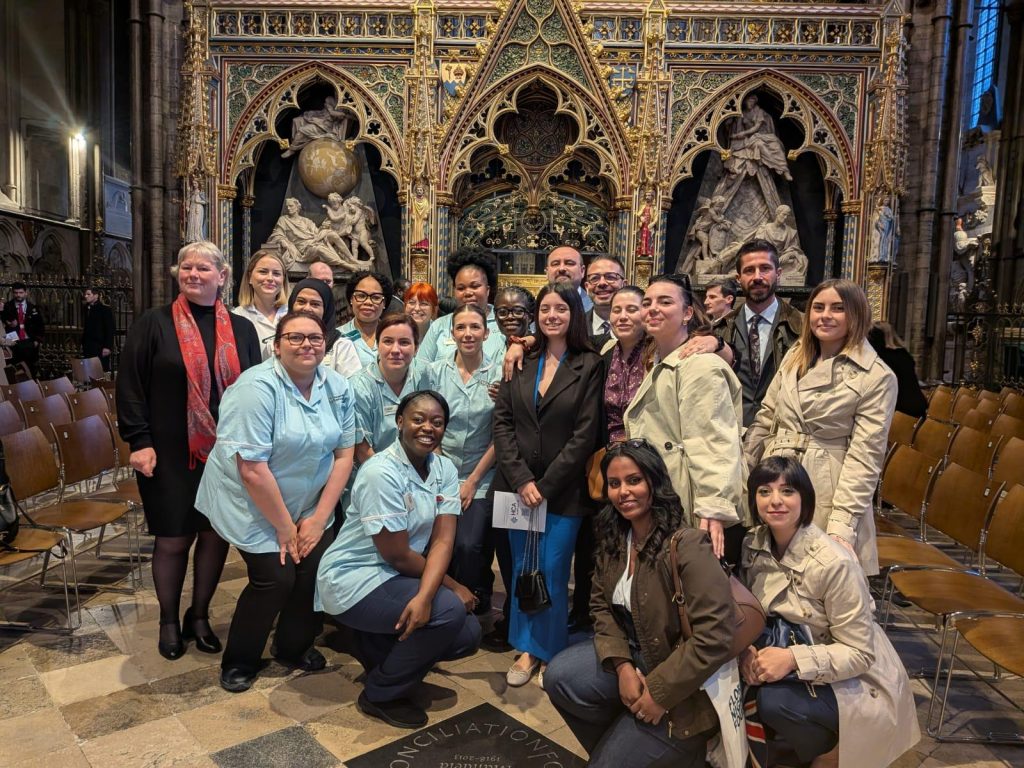
Alongside the awarding of the Florence Nightingale Foundation Fellowship to Prof. Bonacaro, the experience also represented an important educational and personal opportunity for Educational Tutor Dr. Massimo Guasconi, Nursing students Nicole Tirotta, Maria Scattaglia, Elisa Murtas, Mariagrazia Mancini, Vera Araya Abrha, Zaida Zanetti, and newly qualified nurses Paolo Lopena and Alessia Currò, who took part in the study day and the international commemorative ceremony. The testimonies and quotations included in this article are drawn from their reflections and experiences during the event, highlighting the human, professional, and symbolic value of an experience perceived as a profound moment of belonging to the nursing profession and to the international community of care.
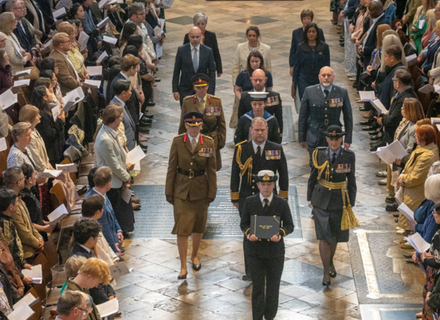
“Entering Westminster Abbey on such a meaningful occasion for nurses was deeply emotional. Walking through a place where history merges with the very roots of our profession, thinking about Florence Nightingale’s legacy, gave me a profound sense of belonging. It made me realise that our daily work in wards or community settings is not an isolated act, but part of a historical and global thread connecting millions of professionals. It was pride, responsibility, and emotion”. Another student described her entrance into the Abbey in these words: “Crossing the threshold of Westminster Abbey was breathtaking. I could feel the weight of history and, at the same time, immense pride. Walking through those aisles, knowing I was there to celebrate Florence Nightingale alongside colleagues from all over the world, made me feel part of something monumental. It was not only the celebration of a historical figure, but a solemn recognition of the value nurses bring to society every single day”.
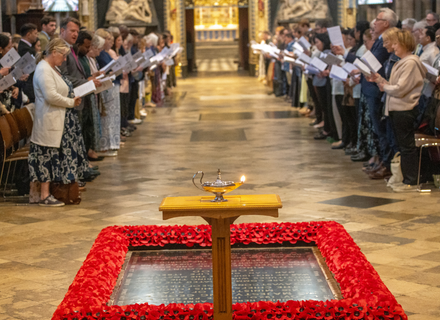
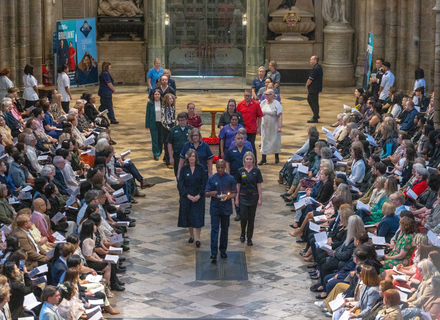
Among the most significant moments of the day was the Lamp Procession, the historic symbol of the nursing profession. “Without a doubt, the Procession of the Lamp. Seeing the lamp — symbol of light, hope, and nursing knowledge — passed from hand to hand among professionals until it was placed on the altar was an incredibly emotional moment. In that almost sacred silence, I clearly felt the passing of the torch within our profession: a commitment to care handed down from generation to generation”.
Other students highlighted the value of the international exchange experienced during the study day: “The interaction with students and professionals from other countries gave me a great sense of openness. It was interesting to discover the differences in healthcare systems, educational pathways, and work organisation, while at the same time realising that empathy, responsibility, and attention to the person remain universal values everywhere in the world”. The experience also strengthened awareness of the importance of the international dimension in nursing education. “University education gives you scientific and methodological foundations, but an international experience gives you the bigger picture. It teaches adaptability and the importance of intercultural communication — a crucial skill today with patients coming from many different countries”.
Among the values most frequently mentioned by the students was humanity in care. “Being a nurse means coming into contact with people’s vulnerability and being able to offer not only care, but also listening, presence, and support during the most delicate moments”. Another testimony emphasised the connection between empathy and professional competence: “Florence Nightingale showed that compassion, combined with scientific rigour, can change the destiny of patients and institutions”. The London experience also offered an important reflection on the meaning of contemporary nursing leadership. “For me, nursing leadership means the ability to guide change based on scientific evidence and by setting an example. It means being able to make complex clinical decisions autonomously, promote team wellbeing, and enhance the specific competencies of our professional profile”.
Particularly significant was also the value attributed to representing the University of Parma internationally. “Bringing the name of the University into such a prestigious context was the best way to celebrate the value of our studies and the professors and tutors who guided us throughout our journey. It demonstrated that the quality of Italian nursing education has nothing to envy compared to international standards”.
Participation in the Florence Nightingale Commemoration Service thus confirmed itself as an experience of great educational, human, and professional value, capable of strengthening the sense of belonging to the nursing profession and promoting an increasingly international, collaborative, and person-centred vision of care.
Concluding the delegation’s reflections, Prof. Antonio Bonacaro stated: “The study day, the Fellowship, the commemorative service, and the broader cultural experience all reflect the multiplier effect that the University of Parma has in offering unique opportunities for growth and reflection to faculty members and Nursing students. Nursing, as a modern profession, is an expression of the competence and humanity reflected in the stories shared by students and professionals, as well as in the teachings of Florence Nightingale, pioneer of modern nursing. These values and experiences constitute a shared heritage that deserves to be recognised and promoted through initiatives such as this. With renewed spirit of service, we continue to build pathways of education, growth, and international exchange that will enable today’s students and tomorrow’s professionals to become increasingly active protagonists of competent, compassionate care capable of responding to global health challenges, in line with the values and legacy of Florence Nightingale”.
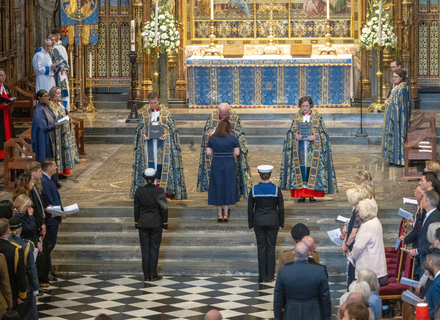
credits Florence Nightingale Foundation