

fbpx

Month: June 2026

THE HEALTHCARE PROFESSIONAL AS AN AGENT OF CHANGE

Health and social care systems are undergoing a profound transformation, driven by evolving health needs, technological innovation, population ageing, and increasing organisational complexity. In this context, healthcare professionals are called not only to deliver high-quality care but also to play an increasingly strategic role as drivers of change and innovation within healthcare organisations. Being an agent of change means actively contributing to the continuous improvement of clinical and organisational processes by proposing new solutions, promoting evidence-based practice, and supporting the development of care models that are increasingly effective, safe, and person-centred. Nurses and other healthcare professionals play a pivotal role in enabling health and social care systems to respond to emerging challenges, thanks to their direct understanding of patients’ needs and the realities of clinical practice.

Innovation is not limited to the introduction of new technologies; it also encompasses the redesign of organisational processes, the improvement of communication among professionals, the optimisation of care pathways, and the promotion of a culture focused on quality and patient safety. Every healthcare professional can contribute to change through their daily practice by developing observation skills, critical thinking, and the ability to propose innovative solutions. To fulfil this role, it is essential to develop competencies that extend beyond technical and scientific expertise. Leadership, critical thinking, change management, the ability to work effectively within multidisciplinary teams, and the application of scientific evidence are now indispensable tools for leading improvement processes and fostering innovation within healthcare organisations. Equally important is the ability to engage colleagues, patients, and caregivers, promoting a culture of collaboration and active participation.

Within the Master’s Programmes in Healthcare at the University of Parma, advanced education is designed to prepare professionals who are not only capable of adapting to change but also of leading it. Through an educational pathway that integrates clinical, organisational, managerial, and research competencies, students develop the knowledge and skills required to promote innovation, drive continuous improvement, and contribute to the growth and development of healthcare organisations.

THE VALUE OF PROFESSIONAL NETWORKING IN HEALTHCARE PROFESSIONS

In the field of health and social care professions, characterised by the increasing complexity of health needs and the continuous evolution of organisational models, building collaborative networks has become a strategic element for professional growth and the advancement of healthcare systems. Professional networking is not simply about expanding one’s network of contacts; it is about creating relationships based on the sharing of skills, experiences, and knowledge, fostering continuous dialogue among professionals, academic institutions, healthcare organisations, and national and international stakeholders.

Within the Master’s Programmes in Healthcare at the University of Parma, networking represents a fundamental component of the educational experience. Teaching activities, seminars, project work, clinical placements, scientific events, and collaborations with professionals from different disciplinary and geographical backgrounds provide students with numerous opportunities to exchange ideas and build professional relationships that extend well beyond the completion of their studies. In this way, education becomes a space where diverse experiences come together, and dialogue promotes both individual and collective growth.

The creation of professional networks is also a powerful driver of innovation. The exchange of different competencies stimulates new ideas, facilitates the dissemination of best practices, and promotes the development of collaborative projects, contributing to improvements in the quality of care and the organisation of healthcare services. Through collaboration among professionals from different disciplines and contexts, it becomes possible to address the complexity of health needs more effectively, developing innovative solutions that are increasingly person-centred.

Professional networking also plays a key role in the advancement of research. Collaboration between universities, healthcare organisations, and professionals supports the development of multicentre studies, the sharing of scientific evidence, and the creation of research pathways capable of generating knowledge that advances clinical, organisational, and educational practice. In this sense, professional networks provide a fertile environment for scientific growth and the dissemination of innovation.

In an increasingly interconnected world, the value of professional networking goes beyond building individual relationships. It means contributing to the growth of a professional community that shares experiences, generates innovation, and works together to shape the future of health and social care professions.

ANTONIO BONACARO ACHIEVES THE NATIONAL SCIENTIFIC HABILITATION FOR FULL PROFESSORSHIP

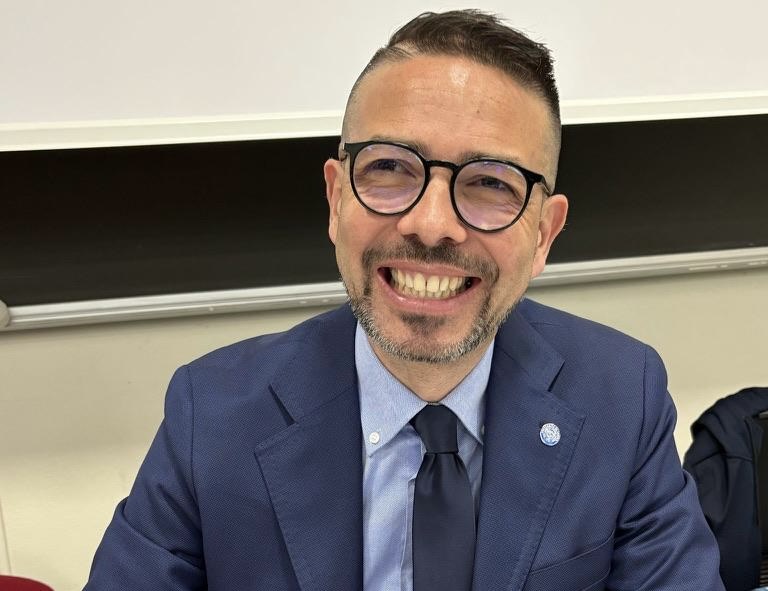
An important academic milestone has been achieved by Professor Antonio Bonacaro, Associate Professor of Nursing Sciences and President of the Master’s Programmes in Healthcare at the University of Parma, who has obtained the Italian National Scientific Habilitation for the position of First-Level Professor, qualifying him for appointment as a Full Professor.

The National Scientific Habilitation is one of the most significant recognitions of a university academic’s scholarly and professional career, certifying the achievement of high standards in research, teaching, and institutional activities. This accomplishment reflects a professional and academic journey spanning more than twenty years, characterised by a continuous commitment to the advancement of nursing sciences, the education of future healthcare professionals, and the promotion of research at both national and international levels.

Particularly noteworthy is the international dimension of Professor Bonacaro’s career, which includes more than ten years of professional, academic, and research experience abroad. During this time, he collaborated with leading universities and healthcare institutions, contributing to the development of the nursing profession in international contexts. These experiences have helped shape an open, innovative, and collaborative vision of education and health and social care systems, which continues to inform and enrich his research, teaching, and project development activities at the University of Parma.

This habilitation also recognises a career distinguished by its commitment to promoting nursing leadership, educational innovation, quality of care, and the development of advanced competencies within the health and social care professions. These themes have long been central to the activities of the Master’s Programmes in Healthcare, which are dedicated to preparing professionals capable of addressing the challenges of contemporary health and social care systems with competence, responsibility, and vision.

“Achieving the National Scientific Habilitation for Full Professorship represents an important milestone for me, summarising more than twenty years of commitment to clinical practice, research, education, and the advancement of the nursing profession. It is a journey enriched by international experiences that have helped shape my vision of care, leadership, and education. I view this recognition not as a point of arrival, but as an incentive to continue with even greater enthusiasm in promoting research, innovation, and opportunities for growth for students, professionals, and health and social care organisations”.
Antonio Bonacaro, Associate Professor of Nursing Sciences and President of the Master’s Programmes in Healthcare.

THE VALUE OF MENTORSHIP IN HEALTHCARE PROFESSIONS

In the world of health and social care professions, learning does not take place exclusively through theoretical study or practical experience; it also develops through continuous interaction with more experienced professionals. In this context, mentorship represents a valuable tool for fostering professional growth, skills development, and the formation of the professional identity of future healthcare professionals.

Mentorship is based on a relationship of support and guidance between an experienced professional and a student or practitioner who is developing their professional pathway. It is not simply about transferring technical knowledge, but also about sharing experiences, values, approaches to professional practice, and strategies for addressing the challenges that characterise contemporary care settings. Within health and social care systems, which are becoming increasingly complex and are continuously shaped by organisational and technological changes, the presence of experienced role models plays an important role in facilitating professional integration, supporting learning, and promoting a culture of collaboration. Through interaction with experienced professionals, early-career practitioners have the opportunity to develop greater awareness of their role, gain confidence in decision-making, and strengthen the critical thinking skills required to manage complex situations.

Mentorship also plays a fundamental role in leadership development. Observing and engaging with professionals in positions of responsibility helps individuals understand how to lead teams, manage professional relationships, promote change, and contribute to improving the quality of care. Leadership in healthcare professions is not expressed solely through managerial roles; it is also reflected in the ability to positively influence care processes, support colleagues, and promote evidence-based practice.

Another important benefit of mentorship relates to professional well-being. The opportunity to engage with an experienced mentor can help reduce the sense of isolation that sometimes accompanies the early stages of a professional career, encouraging dialogue, mutual support, and the sharing of strategies for addressing everyday challenges. This process contributes to strengthening motivation, professional satisfaction, and a sense of belonging within the professional community.

Within the Master’s Programmes in Healthcare at the University of Parma, the value of interaction among professionals, faculty members, tutors, and students represents one of the core elements of the educational experience. Through teaching activities, project work, clinical placements, and opportunities for sharing experiences, a culture of collaborative learning is promoted, in which dialogue among individuals with different competencies and experiences becomes a resource for the growth of all participants.

Investing in mentorship means investing in the future of health and social care professions. Supporting the transfer of knowledge, the development of new generations of professionals, and the growth of leadership contributes to building healthcare systems that are increasingly competent, collaborative, and focused on the quality of care, generating tangible benefits for professionals, organisations, and the people they serve.

DIGITAL SKILLS FOR HEALTHCARE PROFESSIONALS

Digital transformation is profoundly reshaping health and social care systems, changing organisational models, care processes, and patient pathways. In this context, digital skills are increasingly becoming an essential requirement for healthcare professionals, who are called upon to work in environments characterised by the integration of technological innovation, quality of care, and person-centred approaches.

The introduction of tools such as electronic health records, telemedicine systems, remote monitoring platforms, healthcare data management applications, and artificial intelligence-based solutions is transforming the way services are delivered and clinical information is managed. Technology does not replace the care relationship; rather, it offers new opportunities to improve access to services, enhance continuity of care, and support more effective decision-making processes. In this context, health and social care professionals are required to develop competencies that go beyond the simple use of digital tools. It is necessary to understand the value of data, interpret available information, use technologies appropriately, and contribute to their integration into care pathways. Digital competencies therefore encompass technical, organisational, communicative, and ethical dimensions, all of which are becoming increasingly relevant in everyday practice.

One of the fastest-growing areas is telemedicine, which enables monitoring, consultation, and care delivery at a distance, supporting the management of people with chronic conditions, vulnerable populations, and continuity of care between hospital and community settings. For healthcare professionals, this means acquiring new ways of communicating with patients and caregivers, as well as developing specific competencies in managing digital care pathways. Digitalisation also introduces new challenges related to data protection, cybersecurity, and the responsible use of technology. For this reason, professional education must include reflection on the ethical and regulatory aspects that accompany digital innovation, ensuring its informed and responsible use in the best interests of those receiving care.

Within the Master’s Programmes in Healthcare at the University of Parma, attention to digital competencies is part of a forward-looking educational vision aimed at preparing professionals capable of addressing the changes transforming health and social care systems. Developing familiarity with technologies, understanding the strategic value of data, and acquiring a strong digital culture are now essential elements for contributing to service innovation and the development of increasingly effective, integrated, and person-centred models of care.

INTERNATIONAL EXPERIENCES IN THE MASTER’S PROGRAMMES IN HEALTHCARE

Internationalisation represents one of the distinctive features of the Master’s Programmes in Healthcare at the University of Parma. In an increasingly global and interconnected healthcare environment, the opportunity to engage with professionals, students, and healthcare systems from different countries provides an important opportunity for professional, personal, and cultural growth. The international experiences promoted within the Master’s programmes are developed through a variety of initiatives, including academic collaborations, mobility programmes, participation in international conferences, seminars delivered by faculty from overseas universities, and joint research projects. These activities enable participants to broaden their understanding of healthcare systems, explore different approaches to care, and deepen their knowledge of topics of global relevance to healthcare professions.

Engagement with international contexts allows participants to develop competencies that are increasingly required within contemporary health and social care settings. At the same time, it fosters greater awareness of the common challenges faced by healthcare systems worldwide, from population ageing and the management of chronic conditions to service sustainability and technological innovation. International experiences also provide valuable opportunities to build professional and academic networks that can generate new possibilities for collaboration, research, and professional development. Dialogue among different cultures, competencies, and organisational models enriches the educational journey and promotes an increasingly open, inclusive, and innovation-oriented vision of care.

For healthcare professionals, engaging with international environments also means developing a stronger capacity for critical reflection on their role and professional practice, while acquiring tools that help them address the complexity of health needs with greater awareness and competence. Through its commitment to internationalisation, the Master’s Programmes in Healthcare reaffirm their goal of offering educational pathways that combine academic excellence, global engagement, and the development of strategic competencies for the future of healthcare professions. It is an investment in education that looks beyond geographical boundaries, promoting the value of international collaboration as a driver of growth for students, professionals, and healthcare systems.

FROM INTERNATIONALISATION TO PROFESSIONAL GROWTH: TESTIMONIES FROM RWANDAN NURSING STUDENTS UNDERTAKING CLINICAL PLACEMENTS IN PARMA

The international clinical placement experience involving Nursing students from Rwanda represents much more than a study programme abroad. Through the collaboration between Between INES-Ruhengeri University, the Catholic University of Rwanda and the University of Parma, the students are benefiting from an important opportunity for professional, personal, and intercultural growth, engaging with new models of care, clinical settings, and social contexts. The testimonies collected highlight how the value of this experience extends beyond technical learning, contributing to the development of essential transversal skills for future healthcare professionals.

Students emphasised that the placement is providing learning opportunities not only related to clinical practice but also to adaptability, problem-solving, and multidisciplinary teamwork. Engaging with patients, healthcare professionals, and different care settings represents an important opportunity to strengthen clinical reasoning and better understand the value of collaboration within care pathways. They also highlighted the importance of international exchange between students and health and social care professionals. In an increasingly interconnected world, the opportunity to learn about different healthcare systems and share professional experiences is essential for broadening perspectives and developing the competencies needed to address global health challenges.

The international experience has also been particularly meaningful from a personal growth perspective. Arriving in a new country and adapting to a different language, environment, and culture initially presented challenges, which gradually became opportunities to develop autonomy, adaptability, and openness to new realities. It is a journey that has encouraged students to step outside their comfort zones and gain greater confidence in their own abilities.

Attention was also drawn to the future impact of the knowledge and skills acquired during the placement. The competencies developed in Italy can be transferred and applied upon returning to Rwanda, contributing to improvements in the quality and safety of care within their professional contexts. For these students, the experience is fostering the development of communication skills, professional competencies, and critical thinking. Daily interaction with people from different cultural and linguistic backgrounds, combined with the opportunity to observe advanced technologies and procedures, provides valuable stimulus for professional growth and the ability to manage complex situations.

Finally, the students described how their time in Italy is contributing to both their professional and personal development. Living in an international environment has enabled them to discover new perspectives, become more independent, and appreciate the value of cultural diversity within healthcare systems. This is particularly relevant in a profession that requires strong relational skills, inclusivity, and a person-centred approach to care.

“Students’ testimonies confirm that international mobility programmes represent an important educational opportunity for future healthcare professionals. The exchange between cultures, healthcare systems, and organisational models promotes the development of advanced professional competencies, as well as the relational and intercultural skills that are increasingly required in contemporary health and social care settings” stated Antonio Bonacaro, Associate Professor of Nursing Science and President of the Master’s Programmes in Healthcare.

The experience of the Rwandan students in Parma fully reflects the international vision promoted by the University of Parma, contributing to the development of educational pathways based on dialogue, collaboration, and knowledge sharing. It highlights the awareness that health and care are global challenges that require competence, openness, and the ability to work together beyond geographical and cultural boundaries.

THE VIDEO TESTIMONIES OF THE STUDENTS FROM RWANDA ARE AVAILABLE ON THE FOLLOWING CHANNEL.

HealthCareMaster
Send on WhatsApp