


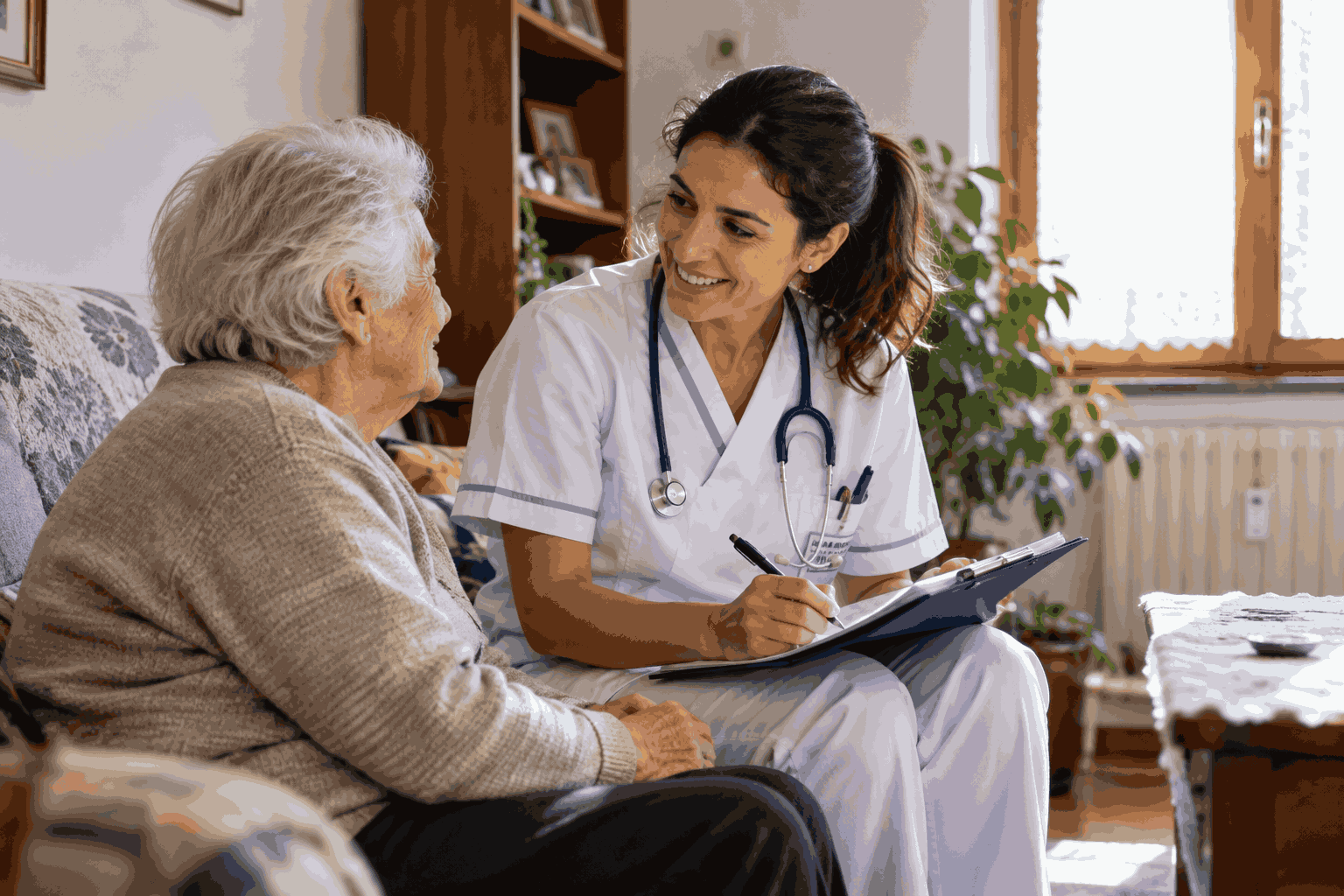
The series of presentations dedicated to the educational offer of the University of Parma Master’s Programmes in Healthcare for the 2026/2027 Academic Year continues, with applications already open. The programme we are presenting is the First-Level Master’s Programme in Family and Community Nursing and Integrated Care for Community Health, dedicated to developing advanced competencies in community-based care, health promotion, and the management of the care needs of individuals, families, and communities.
The evolving health needs of the population, characterised by the increasing prevalence of chronic conditions and the need to ensure increasingly integrated care responses, have reinforced the importance of community-based care and local healthcare services. In this context, the family and community nurse plays a significant role in managing clinical care and organisational processes, working closely with general practitioners and multidisciplinary teams, with particular attention to people living with chronic conditions, disabilities, and frailty.
The Master’s Programme aims to prepare professionals capable of planning, implementing, and evaluating appropriate care interventions for individuals, families, and communities, through a holistic, personalised approach focused on continuity of care. The programme provides opportunities to develop advanced clinical, communication, and interpersonal competencies, strengthening the ability to identify health needs at an early stage, determine the most appropriate responses, and establish effective care relationships within the healthcare service network.
Particular attention is dedicated to prevention and health promotion, through the development of competencies needed to design educational interventions for individuals, families, and groups, supporting the adoption of healthy lifestyles and encouraging people’s active participation in their own care pathways. The Master’s Programme also explores the nurse’s role in assessing needs across different stages of life, planning personalised care interventions, and monitoring health outcomes.
A central element of the educational programme is continuity of care between hospital and community settings, with particular reference to the integration of healthcare and health and social care services, home care, and community-based facilities. From this perspective, professionals develop competencies to facilitate access to services, make effective use of the resources available within the care network, and promote collaboration among the different professionals involved, supporting a care approach that recognises the central role of individuals and their families.
The educational programme combines interactive theoretical lessons, workshops, seminars, and group work, alongside clinical placements and the development of a project work. The Master’s Programme has a duration of one year and awards 60 ECTS credits. Classes are delivered online in synchronous mode, two days a week on alternate weeks, with the exception of July and August.
Applications for the 2026/2027 Academic Year are already open and may be submitted until 12:00 p.m. on 29 January 2027.