

fbpx

Tag: Education

INTERNATIONALIZATION AND EDUCATION

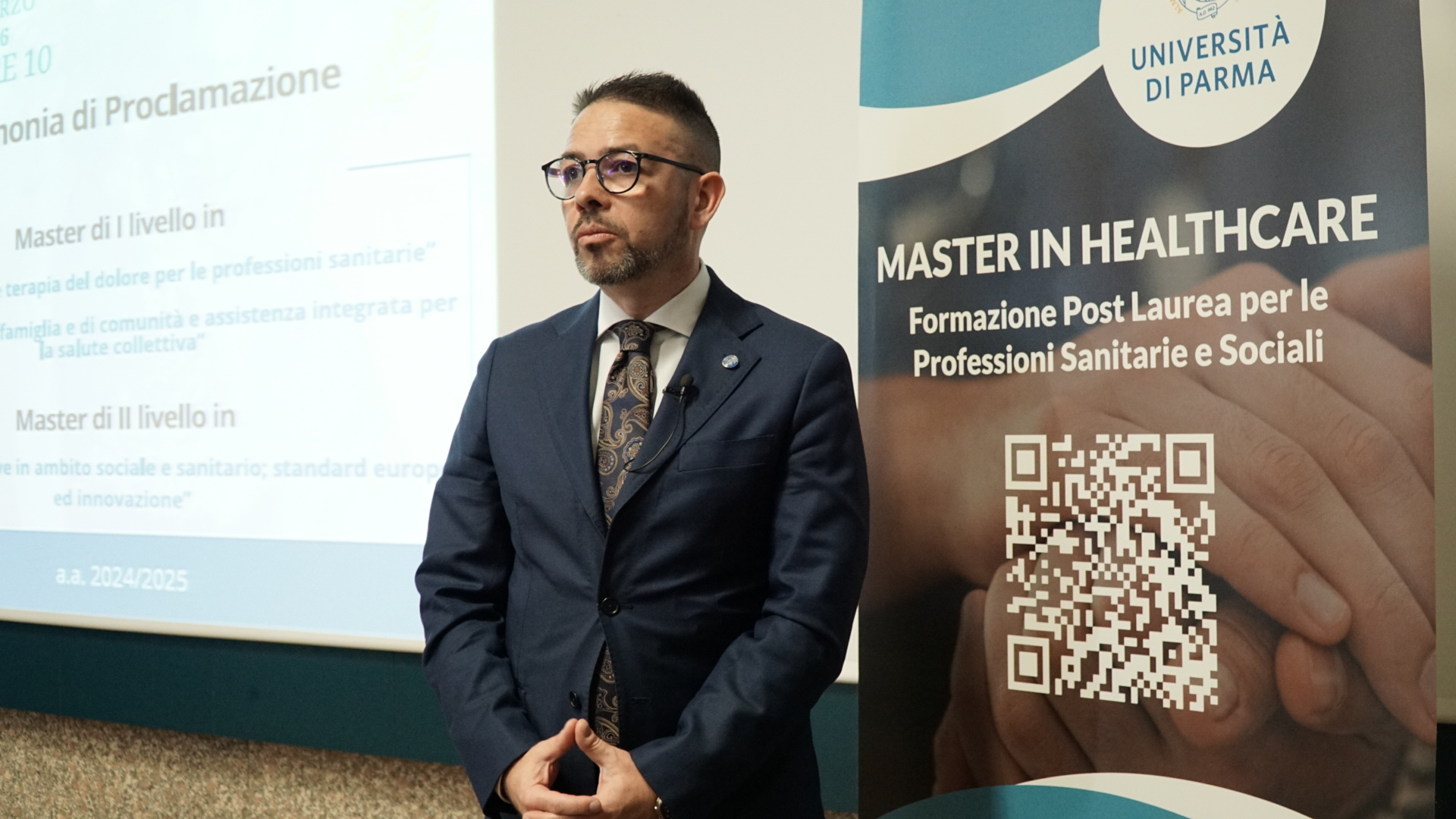
As the 2024/2025 academic year approaches its conclusion, the Master’s Programs in Healthcare at the University of Parma are preparing for a particularly significant transition: on one side, the completion of the current educational activities and training pathways; on the other, the beginning of the 2025/2026 academic year, which will be officially inaugurated on Monday, March 30, 2026. This moment represents not only an organizational transition between two academic cycles but also an opportunity to reflect on some of the strategic directions that characterize the Master’s Programs in Healthcare, including the growing commitment to the internationalization of education.

In recent years, the Master’s Programs have developed an increasingly extensive network of academic and scientific relationships with universities, research centers, and international healthcare institutions. Scientific conferences, research collaborations, academic exchanges, and the participation of lecturers and speakers from different countries contribute to building a learning environment open to global dialogue. Internationalization represents a fundamental element for the growth of professionals in the health and social care sector. Engaging with different care models, healthcare systems, and educational approaches makes it possible to broaden perspectives on the transformations currently affecting services, fostering the development of increasingly advanced competencies that can be adapted to complex contexts.

From this perspective, the Master’s Programs in Healthcare promote an educational approach that integrates both local and international dimensions, encouraging dialogue among diverse experiences and supporting students’ participation in initiatives with a global outlook. The aim is to train professionals who are able not only to operate effectively within local healthcare services but also to understand the transformations taking place in healthcare systems at both the European and international levels.

The inaugural day on March 30, 2026 will therefore be an opportunity to welcome new students and share the perspectives of the upcoming academic year, reaffirming the role of the Master’s Programs in Healthcare as a space for advanced education, research, and international cooperation in the field of health, social care, and community services.

FINE EUROPE 2026: PARMA AT THE CENTER OF INTERNATIONAL DIALOGUE ON NURSING EDUCATION

On March 5–6, the University of Parma will host the international conference FINE Europe 2026 – Strengthening Nursing Education for a Safer Tomorrow, one of the most important scientific events dedicated to nursing education at the European and international level.

The event will bring together more than 200 delegates from numerous European countries and other international contexts, providing a space for dialogue among lecturers, researchers, professionals, and students on the key challenges related to the development of nursing education and the evolution of care models. The conference will include a plenary session and five parallel sessions, featuring more than 140 scientific contributions, including oral presentations and posters, along with keynote lectures from internationally recognized professionals.

During a radio interview with Radio Duchessa, Antonio Bonacaro, President of the Master’s Programs in Healthcare at the University of Parma and promoter of the initiative, highlighted the scientific and educational value of the conference: “This conference is addressed to a very broad audience: lecturers, researchers, tutors, and professionals, but also the large student community of our University. It will be an important opportunity to reflect on the most relevant issues concerning the evolution of teaching and nursing education”.

The initiative represents an important opportunity for international dialogue, where educational models, academic experiences, and care practices from different contexts can be compared, contributing to the development of new perspectives for the profession. During the interview, Prof. Bonacaro also emphasized how Italy is playing an increasingly significant role in the scientific field of nursing sciences: “In recent years, our country has begun to play a leading role in nursing sciences, thanks to the development of doctoral schools and a growing scientific production, supported by increasingly strong collaborations with universities and research centers abroad”.

Among the topics that will be discussed during the conference is the study of innovative care models, capable of responding more effectively to citizens’ needs and to the transformations of healthcare systems: “We are witnessing growing attention toward innovative care models designed to provide more timely and effective responses to people’s needs, also through the development of advanced nursing competencies”.

The conference therefore represents a significant opportunity not only for the academic and professional communities but also to strengthen the dialogue between research, education, and health and social care services, promoting a vision of the nursing profession increasingly oriented toward innovation, international collaboration, and quality of care.

Link to watch the live broadcast

SCIENTIFIC RESEARCH IN THE HEALTHCARE MASTER’S PROGRAMMES

In today’s context, the challenges faced by the health and social care system make scientific research more essential than ever. Providing care is not enough: analytical and methodological skills are needed to generate evidence, evaluate practices, improve processes, and ensure the quality and effectiveness of healthcare services. In this sense, research is the driving force that fuels innovation and enables health and social care professions to evolve continuously, adapting to emerging needs and high quality standards.

The Healthcare Master’s Programmes of the University of Parma respond to this need by requiring not only theoretical study but also a strong practical commitment to research. Thanks to this approach, participants develop not only technical skills but also critical and reflective thinking—fundamental for interpreting data, considering ethical variables, integrating into multidisciplinary teams and applying results in clinical and organizational practice.

In a rapidly evolving health and social care landscape, research is the common thread that links education, clinical practice and innovation. For this reason, every Healthcare Master’s Programme includes dedicated teaching on research, as well as practical exercises and Project Work. Only in this way is it possible to train professionals capable not only of delivering care, but also of actively contributing to the advancement of knowledge in the health and social care field, promoting real and sustainable improvements.

THE VALUE OF POSTGRADUATE EDUCATION IN HEALTHCARE

In a constantly evolving healthcare system—marked by increasing complexity, technological innovation, and organizational transformation—postgraduate education stands out as one of the most effective tools for advancing one’s career and strengthening one’s professional role.

For those working in healthcare, investing in education is not just about acquiring new knowledge. It means building practical, recognized, and strategic skills essential for facing increasingly complex challenges: from clinical coordination to process management, from training colleagues to promoting quality and safety in care.

This is precisely the mission of the Healthcare Master’s Programs at the University of Parma: to enhance the professional profile of those working in the field, facilitating access to roles with greater responsibility, expanding employment opportunities, and fostering the development of competent, ethical, and self-aware leadership.

The Master’s programs offer:

  • advanced and up-to-date clinical skills;
  • managerial tools to understand and lead organizational change;
  • soft skills to work effectively in teams, communicate clearly, and handle complex situations;
  • project design and research capabilities, essential for contributing to service innovation.

Moreover, the strong connection with the professional, academic, and institutional world ensures that participants receive a solid, current education aligned with the real needs of the health and social care sector.

Lifelong learning is now an integral part of the modern healthcare professional’s profile. It means learning better to act with greater autonomy, vision, and impact. Those who attend the Healthcare Master’s Programs equip themselves with a new set of tools to understand the present and shape the future—because every more empowered, aware, and well-prepared professional is also a vital ally for a fairer, more effective, and more sustainable healthcare system.

PRECISION MEDICINE: THE FUTURE OF HEALTHCARE IS PERSONALIZED

Precision medicine is revolutionizing the healthcare sector, offering personalized treatments based on each patient’s genetic, environmental, and lifestyle characteristics. This innovative approach paves the way for more effective treatments, optimizing clinical outcomes.

Precision medicine leverages advanced technologies to identify the most suitable treatment for each individual. Thanks to these innovations, it is possible to develop targeted therapies, especially in fields such as oncology, cardiology, and rare diseases. According to the article by Chai et al., new genomic sequencing methodologies have enabled the identification of crucial genetic markers for the personalization of oncological therapies. Similarly, Malakar et al. highlight how an in-depth analysis of the patient’s molecular profile is leading to increasingly targeted and effective treatments.

The adoption of precision medicine not only improves the quality of care but also contributes to a more efficient management of healthcare resources, avoiding ineffective treatments and reducing costs for the healthcare system. In Italy, as highlighted in the Italian Journal of Nephrology, this approach is transforming the management of kidney diseases, improving prognosis, and reducing hospitalizations. Likewise, Salvatore’s article underscores the transition from personalized medicine to precision medicine, with a significant impact on the management of chronic patients.

The evolution of the healthcare sector requires professionals capable of interpreting and applying advances in precision medicine, understanding not only the clinical implications but also the ethical, regulatory, and organizational aspects. As discussed in the article by Cavallo Perin et al., the training of healthcare professionals must include cross-disciplinary skills that allow the integration of genomic research into clinical practice. Moreover, a recent analysis published in the Bulletin of the Italian Society of Hospital Pharmacy and Pharmaceutical Services of Healthcare Companies highlights the crucial role of hospital pharmacists in implementing therapeutic strategies based on precision medicine.

The Master’s in Healthcare programs at the University of Parma continue to be at the forefront of innovation and healthcare education, helping to train professionals capable of integrating the new frontiers of medicine into patient care pathways.

INTERNATIONAL COLLABORATION: THE UNIVERSITY OF PARMA WELCOMES THE DELEGATION FROM THE INSTITUTS DE FORMATION EN SANTÉ DU CENTRE HOSPITALIER DE SAVERNE

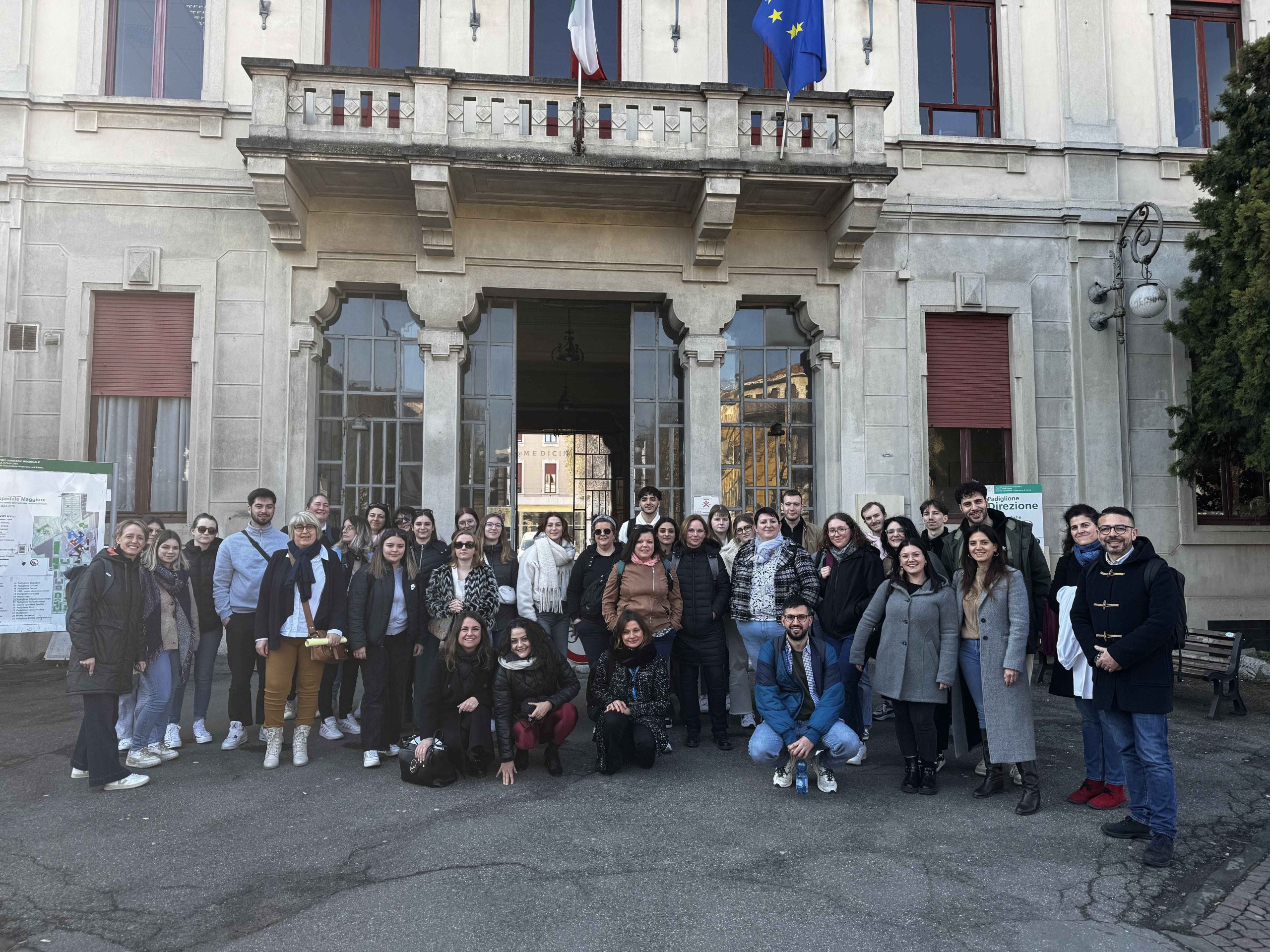
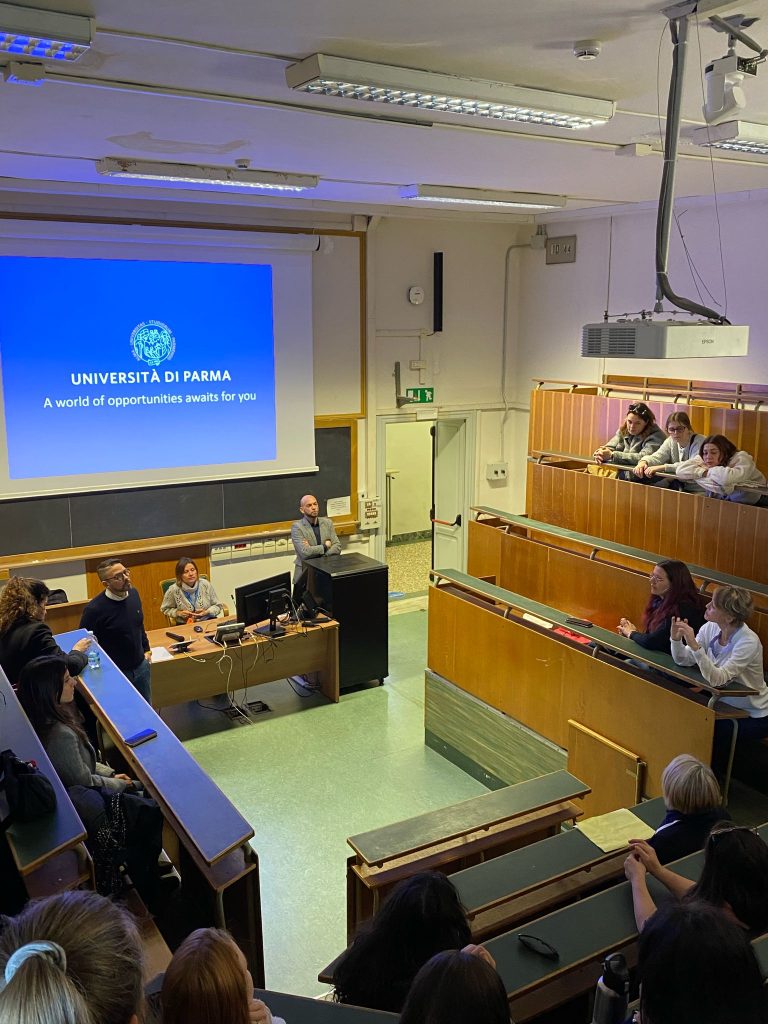
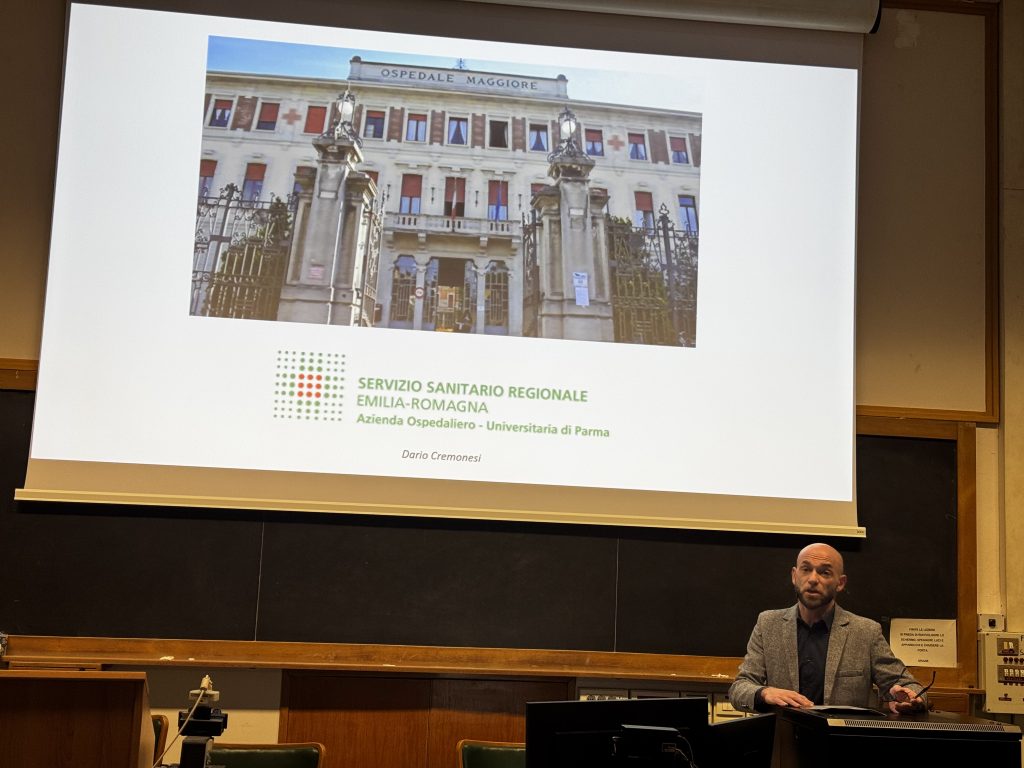
An important opportunity for exchange and growth took center stage for the Master’s programs in Healthcare at the University of Parma with the visit of the delegation from the Instituts de Formation en Santé du Centre Hospitalier de Saverne, a prestigious French educational institution in the field of nursing. The meeting, led by Prof. Antonio Bonacaro, Associate Professor of Nursing Sciences, and Dr. Dario Cremonesi, Director of Nursing Services at the Parma University Hospital, marked a significant step in building international academic collaborations.

The day began with a tour of the University of Parma’s simulation laboratory, a cutting-edge space where students refine their practical skills through realistic scenarios. A particularly innovative moment was the workshop on the use of 3D printers for the creation of part-task trainers, essential tools for hands-on learning in the nursing and healthcare field, curated by Prof. Ruben Foresti.

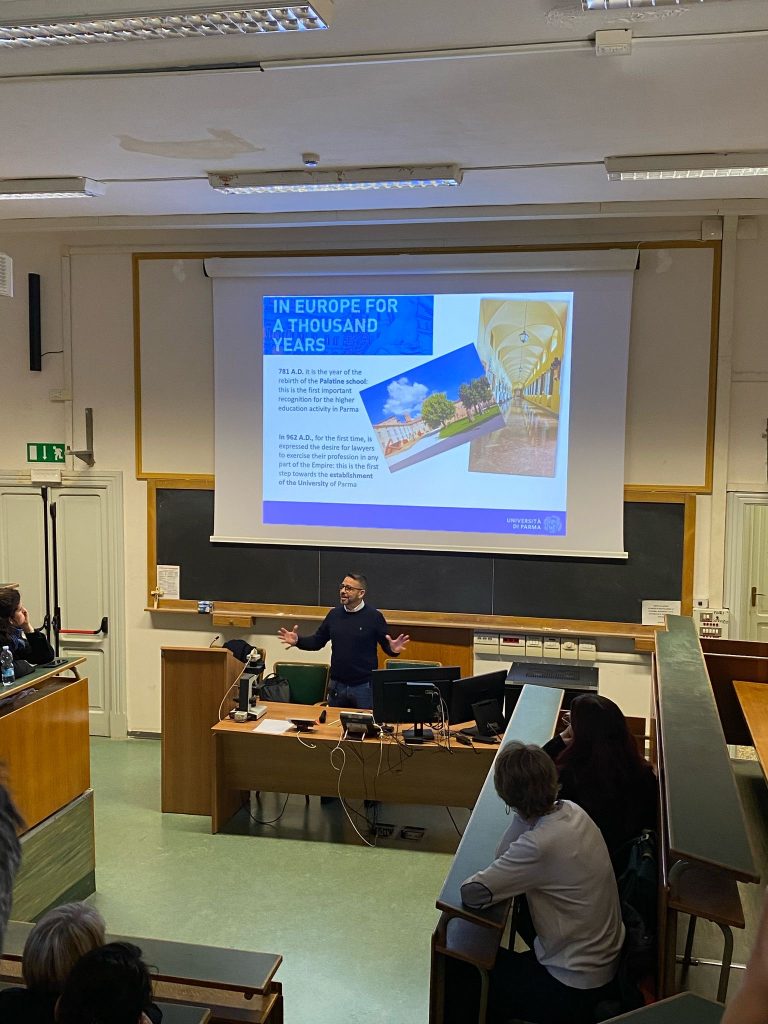
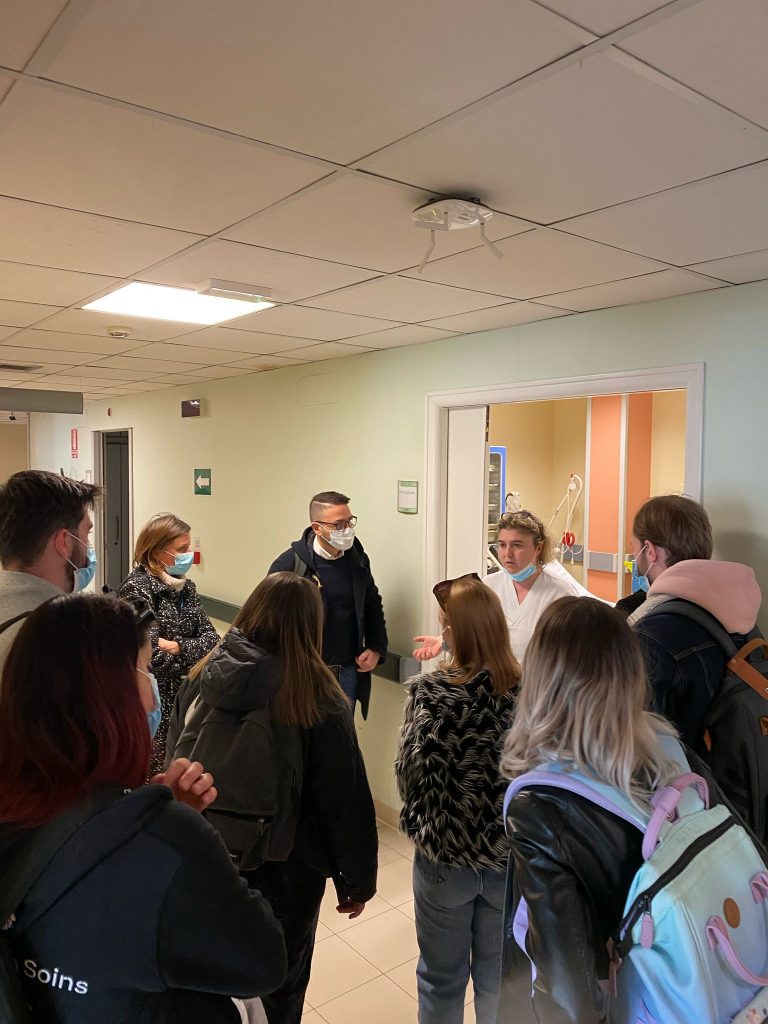
Following this, the delegation attended a presentation session on the educational and healthcare models adopted by the University of Parma and the University Hospital. The visit concluded with a tour of the hospital’s operational units, allowing the delegation to engage directly with the clinical environment of the region.

This collaboration not only strengthens ties between European institutions but will also have a positive impact on the Master’s programs in Healthcare at the University of Parma, fostering the development of new opportunities for education, research, and teaching innovation. Both students and faculty will benefit from increasing exposure to international models of excellence, gaining access to advanced training experiences and joint projects with foreign academic and healthcare institutions.

Education, research, and innovation will be at the heart of future collaborative projects between the two institutions, with the goal of developing increasingly effective training models that address the challenges of global healthcare.

The University of Parma thus continues to promote internationalization as a key element in the growth of future healthcare professionals, reinforcing the value of applied research and innovation in healthcare education.

HealthCareMaster
Send on WhatsApp